The Legal Steps Every Irish Wedding Must Follow
By the time the wedding day arrives, most couples are thinking about the experience — the vows, the faces in the front row, the feeling in the room — rather than the legal framework underneath it. The legal side is often reduced to “we sign something” or “the registrar takes care of that.”
In reality, there is a clear legal structure to what happens on the day. Understanding it in advance helps everything feel calmer, more intentional, and free from last-minute uncertainty.
This article explains what must happen legally during a wedding ceremony in Ireland, who is responsible for each step, and how the legal process fits into the ceremony you have planned.
These steps make the most sense when seen as the final stage of a wider legal journey
→ Getting Married in Ireland: How the Legal Process Actually Works (From Notice to Wedding Day)
The Marriage Registration Form (MRF) (Green Book)
Before the wedding day, the State issues the Marriage Registration Form (MRF). It is commonly known as the “Green Book”. This is the key legal document that authorises the marriage to take place.
Without a valid MRF:
a legal marriage cannot occur
the ceremony cannot be registered
the marriage has no legal standing, regardless of the ceremony itself
The MRF must be present on the wedding day and is the document that will be signed as part of the legal act of marriage.
If you’d like to understand where the MRF comes from and who is responsible for it, this explains it fully
→ The Marriage Registration Form (MRF) Explained (What It Is and Who Handles It)
The Legal Declarations
During the ceremony, Irish law requires that specific legal declarations are spoken by each partner. These are not optional additions; they are the core of the legal process.
The declarations confirm:
the identity of each party
free consent to marry
the intention to enter into a valid marriage
They must be spoken:
in the presence of a registered solemniser
in the presence of two witnesses who understand what is taking place
The wording is clearly defined in law. While it can be woven naturally into the ceremony, it cannot be omitted, replaced with symbolic alternatives, or altered beyond what the law allows.
The Role of the Solemniser on the Day
On the wedding day, the solemniser is the person who carries legal responsibility for the marriage. Their role extends far beyond standing at the front and speaking.
They are responsible for:
confirming the identities of both parties against official documents
ensuring the legal declarations are made correctly
confirming that two suitable witnesses are present
ensuring the ceremony takes place in a suitable venue
overseeing the completion and signing of the Marriage Registration Form
A competent, experienced solemniser handles these responsibilities quietly and efficiently in the background, allowing the ceremony itself to flow without interruption.
This division of responsibility is part of working with a registered solemniser
→ Working With a Solemniser (What’s Handled for You, and What Isn’t)
Witnesses: Who They Are and Why They Matter
Every legal marriage in Ireland requires two witnesses.
Witnesses must:
- be over 18
be present for the ceremony
be capable of understanding that a marriage is taking place
sign the Marriage Registration Form after the ceremony
Witnesses are usually friends or family members, but they do not have to be relatives. What matters is that they are adults who can follow the ceremony and sign the documentation accurately.
Witness requirements are straightforward, but they must be met on the day
→ Getting Married in Ireland: How the Legal Process Actually Works
Signing the Marriage Registration Form
After the ceremony, the legal process moves to the paperwork. The Marriage Registration Form is signed by:
both parties
the registered solemniser
the two witnesses
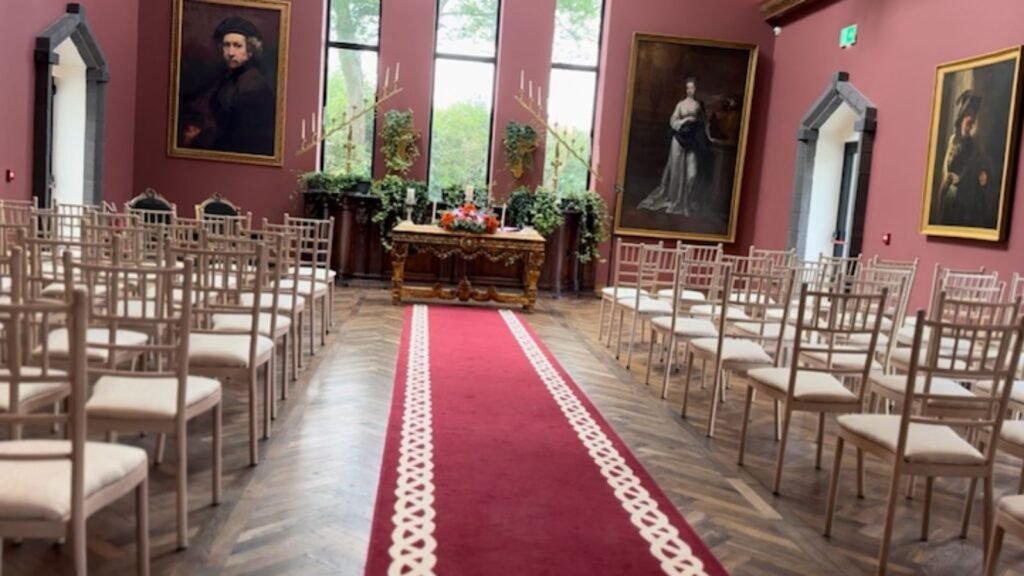
This usually happens immediately after the ceremony, often at a signing table in the room or in a quiet moment before the day moves on.
Accuracy matters. Names and signatures should match identification, and any corrections must be made clearly. Once signed, it is the solemniser’s responsibility to return the form to the Civil Registration Service so the marriage can be officially registered.
What Happens After the Wedding
After the wedding day, a short legal process continues behind the scenes.
Once the Marriage Registration Form is processed:
the marriage is entered into the State register
the couple can apply for an official marriage certificate
the marriage is recognised for legal and administrative purposes
There is usually no further action required from the couple beyond ensuring that the form has been completed correctly and returned on time.
This final step completes the legal registration of the marriage
→ The Marriage Registration Form (MRF) Explained (What Happens After It’s Signed)
How the Legal Process Fits Into the Ceremony
Many couples worry that legal requirements will make the ceremony feel stiff or bureaucratic. In practice, when handled well, the legal elements are almost invisible.
With proper planning:
the legal declarations are woven naturally into the ceremony
the signing happens in a calm, unrushed moment
guests experience a flowing ceremony rather than a stop-start process
The law sets out what must happen, not how the ceremony must feel. The tone — whether warm, formal, relaxed, or reflective — is shaped by you and your solemniser.
That emotional tone is shaped through ceremony design and delivery
→ How Your Wedding Ceremony Can Feel (And Why That Matters More Than You Think)
Why Understanding This Matters
Couples who understand what happens legally on the wedding day tend to feel more relaxed and present. There are fewer unknowns, fewer surprises, and less background anxiety.
Knowing:
when the Marriage Registration Form appears
who must sign it
what must be said aloud, and why
who is responsible for returning the paperwork
allows you to focus on the emotional heart of the day, trusting that the legal foundations are secure.
For couples who feel calmer once they understand the structure, this page often helps too
→ Overwhelmed With Wedding Planning in Ireland? Start Here
Bringing It All Together
A wedding ceremony in Ireland is both a personal milestone and a legal act. The legal process is not there to overshadow the day; it is there to give your commitment lasting recognition and protection in law.
When those legal steps are understood and managed properly, they become a quiet framework beneath the celebration — doing their work while you concentrate on the promises you are making and the people there to witness them.
That balance is what allows a wedding day to feel not only meaningful and joyful, but complete.
If you’re still early in planning and orienting yourself, this is a gentle place to begin
→ Just Engaged? Congratulations — Start Here
This article touches on themes explored more fully in my writing on ceremony and marriage, where the legal, practical, and human aspects of marriage are examined together.